Introduction: The End of Diet Culture as We Know It
For decades, weight management has been dominated by one overwhelming idea: diets. Low-carb, low-fat, keto, paleo, juice cleanses, extreme calorie restriction—each promised fast results, and each left millions of people frustrated, exhausted, and stuck in an endless cycle of losing and regaining weight.
But something has changed.
In 2026, a powerful shift is underway. People are no longer asking “Which diet should I follow?”
They are asking a smarter, deeper question:

“What am I putting into my body—and why?”
This shift marks the rise of ingredient-first weight management, a movement rooted in science, transparency, and sustainability. It represents the quiet end of diet culture and the beginning of a more intelligent, human-centered approach to managing weight.
The Evolution of Weight Management: From Rules to Understanding

Traditional diets rely on external control:
- Eat this, don’t eat that
- Count every calorie
- Follow strict schedules
- Ignore your body’s signals
At first, this can feel empowering. But over time, it becomes restrictive, mentally draining, and often unsustainable.
Ingredient-first weight management flips this model entirely.
Instead of focusing on rigid rules, it focuses on understanding:
- How ingredients interact with the body
- How metabolism actually works
- How consistency beats restriction
- How quality matters more than quantity
This evolution reflects a more mature understanding of health—one that respects the body instead of fighting it.
Why Traditional Diet Trends Are Failing Modern Consumers
1. They Rely on Short-Term Control, Not Long-Term Support
Most diets are designed for short bursts of compliance. They do not consider:
- Real-life stress
- Hormonal fluctuations
- Aging metabolism
- Busy schedules
When life inevitably interferes, the diet collapses—and blame is placed on the individual, not the system.
2. They Ignore Metabolic Complexity
Weight management is not just about calories. It involves:
- Insulin response
- Energy utilization
- Appetite signaling
- Nutrient absorption
Diets that ignore these factors often fail, even when followed “perfectly.”
3. They Create a Cycle of Guilt and Burnout
Repeated dieting trains people to distrust their own bodies. Hunger becomes the enemy. Food becomes a moral test. Motivation fades.
By 2026, consumers are done with this cycle.
What Does “Ingredient-First” Really Mean in 2026?
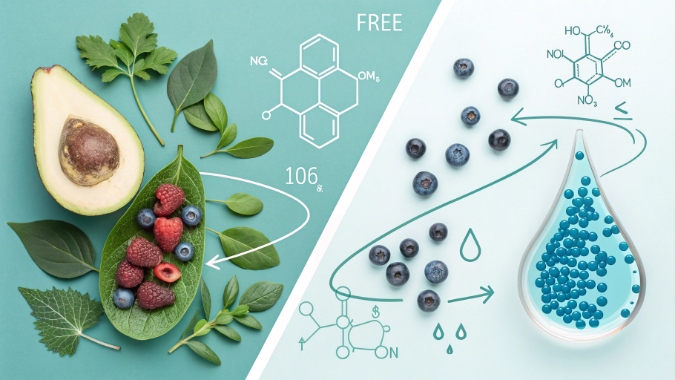
Ingredient-first weight management begins at the foundation.
Instead of asking “What rules should I follow?”, it asks:
- What ingredients support metabolic balance?
- How well are they absorbed?
- Are they backed by science?
- Do they work together, not against each other?
Core Principles of Ingredient-First Thinking:
- Transparency: Clear understanding of what’s included and why
- Quality: Fewer, better-chosen ingredients
- Bioavailability: Ingredients that the body can actually use
- Synergy: Formulations designed to work as a system
This approach respects biology instead of trying to override it.
The Role of Science-Backed Formulations in Sustainable Weight Management
Modern consumers are more informed than ever. In 2026, trust is built through evidence, not hype.
Science-backed formulations focus on:
- Metabolic efficiency
- Energy balance
- Appetite awareness
- Nutrient utilization
Rather than forcing rapid weight loss, these formulations support the body’s natural processes—making progress feel more natural and sustainable.
This is why ingredient-first products are gaining credibility while fad diets continue to lose relevance.
Bioavailability: Why Delivery Method Matters More Than You Think

One of the most overlooked aspects of weight management supplements is how ingredients are delivered.
An ingredient can be powerful on paper—but ineffective if the body cannot absorb it properly.
Bioavailability determines:
- How quickly ingredients enter the system
- How much is actually utilized
- How consistent the effects are
In 2026, delivery method is no longer an afterthought—it’s a core design decision.
Liquid Supplements and the Rise of Smarter Solutions
Liquid-based supplements have gained attention for a simple reason: efficiency.
Compared to traditional capsules:
- Liquids are often absorbed faster
- They bypass some digestive limitations
- They allow flexible dosing
- They fit more easily into daily routines
This is why ingredient-first weight management increasingly favors liquid formats—especially when precision and consistency matter.
For readers exploring modern, ingredient-focused solutions, learning more about thoughtfully designed liquid formulations can provide useful context. One example is KeySlim Drops, which reflects this ingredient-first philosophy through a science-backed, liquid-based approach to weight management.

👉 https://getkeyslimdrops.cc/vsl1/#aff=omarabdellatif
(Always remember: supplements are designed to support, not replace, healthy habits.)
Why Ingredient-First Brands Are Earning Consumer Trust
Trust in wellness is no longer built through bold promises. It’s built through:
- Education
- Transparency
- Realistic expectations
Ingredient-first brands tend to communicate differently. They explain why something exists, not just what it claims to do. This aligns with how modern consumers think—and why these brands are increasingly preferred.
How Ingredient-First Weight Management Fits Real Life
One of the strongest advantages of this approach is compatibility.
Ingredient-first strategies:
- Do not require extreme restriction
- Support consistency over perfection
- Adapt to busy lifestyles
- Reduce mental fatigue
This makes them especially appealing to people who want progress without sacrificing their quality of life.
What the Future Holds: Beyond Diet Culture
By 2026, it’s clear that diet culture is fading. In its place is a more intelligent model—one that prioritizes:
- Understanding over obedience
- Ingredients over rules
- Science over trends
- Sustainability over speed
Ingredient-first weight management is not a passing trend. It’s a reflection of how people are learning to work with their bodies instead of against them.
Frequently Asked Questions (FAQ)
Is ingredient-first weight management the same as dieting?
No. It focuses on supporting the body through informed ingredient choices rather than strict rules or restrictions.
Why are traditional diets losing popularity?
Because they often fail to address metabolic complexity and long-term sustainability.
Do supplements replace diet and exercise?
No. They are designed to complement balanced nutrition and healthy habits.
Why is bioavailability important?
Because ingredients must be absorbed effectively to provide meaningful support.

Conclusion: The Rise of Ingredient Intelligence
The future of weight management is not louder promises or stricter rules.
It’s smarter decisions.
Ingredient-first weight management represents a shift toward respect—for science, for the body, and for real life. As traditional diet trends continue to fade, this approach is gaining momentum because it works with people, not against them.
In 2026, the most powerful change isn’t a new diet—it’s a new way of thinking.
nutrition science
wellness trends 2026
metabolic support
healthy lifestyle approach
beyond diet culture